
Introduction
India is famous for its wide variety of traditional sweets, each carrying a unique flavor, story, and cultural importance. Among these delicious desserts, Lal Peda stands out as one of the most iconic and beloved sweets. Known for its rich caramelized color, soft texture, and deep milky flavor, Lal Peda is a treat that instantly brings back memories of festivals, temple offerings, and joyful celebrations.
This traditional sweet is especially famous in North India and is loved by people of all ages. Whether served during a festival, gifted to loved ones, or enjoyed after a hearty meal, Lal Peda always leaves a lasting impression with its irresistible taste.
Prepared primarily from khoya (reduced milk solids), sugar, and ghee, Lal Peda gets its beautiful reddish-brown color from slow roasting. This slow cooking process enhances its flavor and gives the sweet a rich caramel-like taste.
In this blog, we will explore everything about Lal Peda—its origin, ingredients, preparation method, cultural significance, nutritional value, and why it remains one of the most treasured sweets in Indian cuisine.
What is Lal Peda?
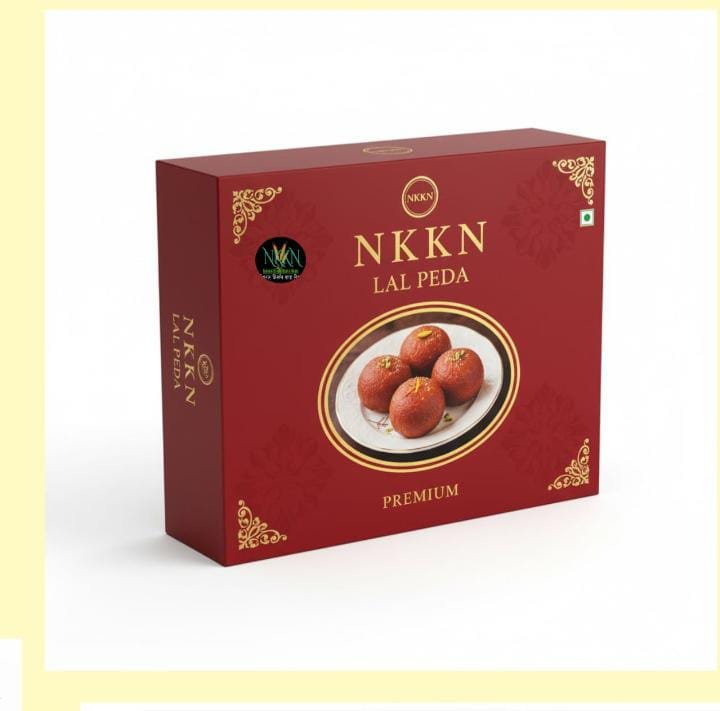
Lal Peda is a traditional Indian sweet made from slowly roasted khoya, sugar, and aromatic spices like cardamom. The word Lal means red, referring to the sweet’s distinctive reddish-brown color, while Peda refers to the small round shape in which the sweet is molded.
Unlike regular milk pedas, Lal Peda has a deeper flavor due to the longer roasting process. The khoya is cooked slowly until it caramelizes slightly, giving the sweet its signature taste and color.
The result is a soft, slightly grainy, and rich sweet that melts in the mouth.
Origin and History of Lal Peda
Lal Peda has strong roots in North Indian sweet traditions, particularly in the holy city of Mathura. Mathura is known as the birthplace of Lord Krishna, and sweets made from milk have always been an essential part of the region’s culture.
The most famous version of Lal Peda is Mathura Peda, which has been prepared in the region for centuries. Since Mathura is located in a region known for dairy farming, milk-based sweets naturally became popular there.
Over time, Lal Peda spread across India and became a favorite sweet during festivals, religious ceremonies, and celebrations.
Today, it is enjoyed across the country and is often associated with temple offerings and festive gift boxes.
Ingredients Used in Lal Peda
The beauty of Lal Peda lies in its simplicity. It requires only a few ingredients, but the quality and preparation technique make all the difference.
1. Khoya (Mawa)
Khoya is the main ingredient of Lal Peda. It is made by slowly reducing milk until most of the moisture evaporates, leaving thick milk solids. This gives the sweet its rich and creamy base.
2. Sugar
Sugar adds sweetness and helps balance the caramelized flavor of roasted khoya.
3. Ghee
A small amount of ghee is used while roasting the khoya. It enhances flavor and helps achieve the smooth texture of the peda.
4. Cardamom Powder
Cardamom adds a pleasant aroma that complements the milky richness of the sweet.
5. Pistachios or Almonds (Optional)
Some versions of Lal Peda are garnished with chopped pistachios or almonds for decoration and extra flavor.
Traditional Method of Preparing Lal Peda
Preparing Lal Peda is an art that requires patience and careful attention. The slow roasting process is what gives this sweet its unique taste.

Step 1 – Preparing the Khoya
Fresh khoya is crumbled and placed in a heavy-bottomed pan.
Step 2 – Slow Roasting
The khoya is roasted slowly over medium heat while continuously stirring. This step is crucial because it develops the deep reddish color and rich caramel flavor.
Step 3 – Adding Sugar
Once the khoya turns golden-brown, sugar is added. The mixture becomes softer and slightly sticky as the sugar melts.
Step 4 – Flavoring
Cardamom powder is added to enhance aroma and taste.
Step 5 – Cooling the Mixture
The mixture is allowed to cool slightly so it can be handled easily.
Step 6 – Shaping the Pedas
Small portions of the mixture are rolled into round shapes and slightly flattened by hand to form pedas.
Step 7 – Garnishing
Finally, each peda may be topped with chopped pistachios or almonds.
The result is a rich, aromatic sweet with a beautiful reddish-brown color.
Taste and Texture of Lal Peda
Lal Peda is known for its distinctive taste and texture that make it different from other pedas.
Rich Milky Flavor
The slow-roasted khoya gives Lal Peda a deep milk flavor.
Caramelized Sweetness
The roasting process creates a subtle caramel taste that adds complexity.
Soft and Slightly Grainy Texture
Lal Peda has a soft yet slightly grainy texture that melts slowly in the mouth.
Aromatic Notes
Cardamom enhances the sweet with a warm and fragrant aroma.
Cultural Importance of Lal Peda
In India, sweets are closely connected with celebrations, traditions, and spirituality. Lal Peda holds a special place in many cultural occasions.
Temple Offerings
Milk-based sweets like Lal Peda are commonly offered in temples as prasad.
Festivals
Lal Peda is widely enjoyed during major festivals such as:
- Diwali
- Janmashtami
- Raksha Bandhan
- Holi
During Krishna Janmashtami, Lal Peda is especially popular because of its association with Mathura and Lord Krishna.
Weddings and Celebrations
Boxes of Lal Peda are often distributed during weddings, engagements, and family celebrations.
Festive Gifts
Traditional sweets like Lal Peda are commonly exchanged as gifts during festivals and special occasions.
Nutritional Value of Lal Peda
While Lal Peda is a dessert and should be consumed in moderation, it does provide some nutritional benefits due to its milk content.
High Energy
Khoya and sugar provide quick energy, making it a satisfying dessert.
Rich in Calcium
Milk solids are a good source of calcium, which helps maintain strong bones.
Protein Content
Khoya contains milk protein that supports muscle health.
Healthy Fats
The ghee used in preparation adds healthy fats that enhance flavor and provide energy.
Because of these qualities, Lal Peda has long been a preferred festive sweet.
Why Lal Peda is So Popular
There are many reasons why Lal Peda continues to be one of the most loved Indian sweets.
Traditional Flavor
Its authentic taste reminds people of homemade sweets and old sweet shops.
Rich Texture
The soft yet slightly grainy texture makes it enjoyable to eat.
Festive Symbol
Lal Peda represents celebration, happiness, and sharing.
Long Shelf Life
Compared to some other milk sweets, Lal Peda stays fresh for a longer time when stored properly.
Widely Loved
People of all ages enjoy its rich and comforting flavor.
How Lal Peda Differs from Other Pedas
India has several types of pedas, but Lal Peda has some distinct characteristics.
| Type of Peda | Color | Flavor Profile |
|---|---|---|
| Plain Milk Peda | Creamy white | Mild and sweet |
| Mathura Peda | Brownish red | Caramelized and rich |
| Kesar Peda | Yellow | Saffron flavored |
| Chocolate Peda | Dark brown | Cocoa flavored |
| Lal Peda | Reddish brown | Deep roasted milk taste |
The caramelized flavor and reddish color make Lal Peda unique among these varieties.
Best Occasions to Enjoy Lal Peda
Lal Peda is suitable for many occasions.
Festival Celebrations
Serve Lal Peda during Diwali or Holi gatherings.
Religious Events
Offer it during temple visits or spiritual ceremonies.
Family Gatherings
It makes a great dessert after a festive meal.
Gift Boxes
Sweet boxes containing Lal Peda are popular gifts during celebrations.
Daily Sweet Treat
Even on regular days, a small peda with tea can brighten your mood.
Tips for Storing Lal Peda
Proper storage helps maintain freshness and flavor.
- Store in an airtight container.
- Keep in a cool and dry place.
- Refrigerate if storing for more than a few days.
- Avoid moisture exposure.
When stored properly, Lal Peda can stay fresh for several days.
Modern Variations of Lal Peda
While the traditional version remains the most popular, modern sweet makers have introduced new variations of Lal Peda.
Some popular variations include:
- Chocolate Lal Peda
- Dry Fruit Lal Peda
- Kesar Lal Peda
- Coconut Lal Peda
These variations bring creative twists while maintaining the classic peda concept.
The Timeless Charm of Lal Peda
Despite the introduction of modern desserts and international sweets, traditional Indian sweets like Lal Peda continue to hold a special place in people’s hearts.
The reason is simple—these sweets carry memories of family traditions, festivals, temple visits, and celebrations.
The aroma of roasted khoya, the rich caramel flavor, and the soft texture make Lal Peda a dessert that never goes out of style.
It represents the essence of Indian sweet-making traditions that have been passed down through generations.
Conclusion
Lal Peda is more than just a sweet; it is a symbol of tradition, culture, and celebration. Its rich caramelized flavor, soft texture, and beautiful reddish color make it one of the most iconic desserts in Indian cuisine.
From temple offerings to festive gift boxes, Lal Peda continues to spread sweetness and joy across generations.
Whether enjoyed during a festival, shared with loved ones, or savored as a simple dessert after a meal, Lal Peda always delivers a delightful experience.
Its timeless appeal ensures that this classic Indian sweet will remain a favorite for many years to come.